Smart Energy and Hydrogen Systems
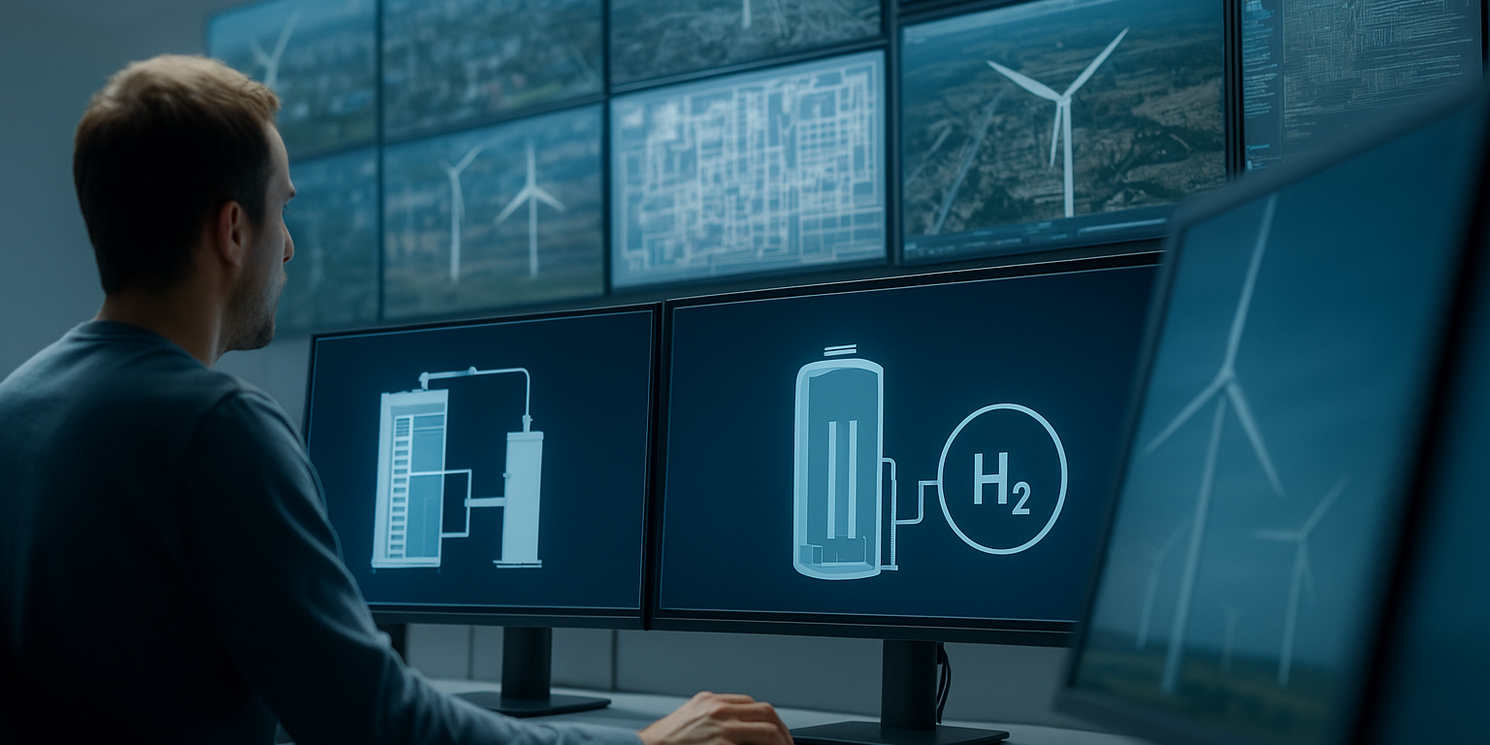
Implementing the energy transition – The Smart Energy and Hydrogen Systems Laboratory works on the design and optimisation of sustainable energy and hydrogen systems. Development work focuses on techno-economic simulations and optimisations to increase the economic and technical resilience of these systems using digital twins that are validated against real-world installations in the field.
What we do in the laboratory
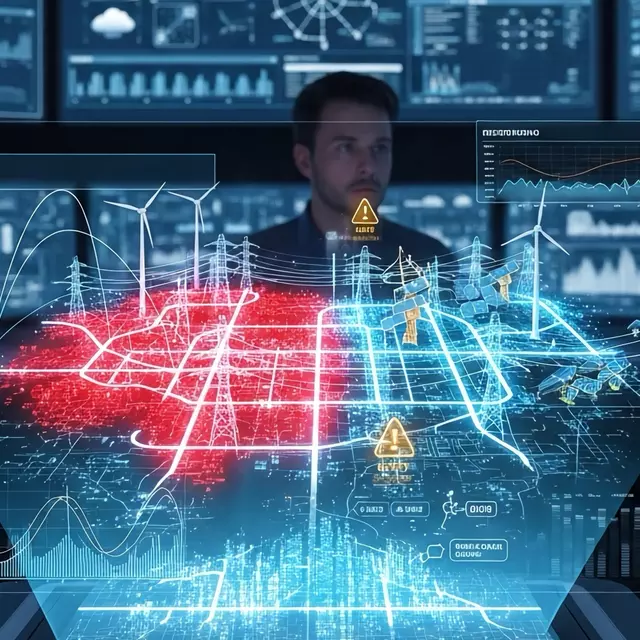
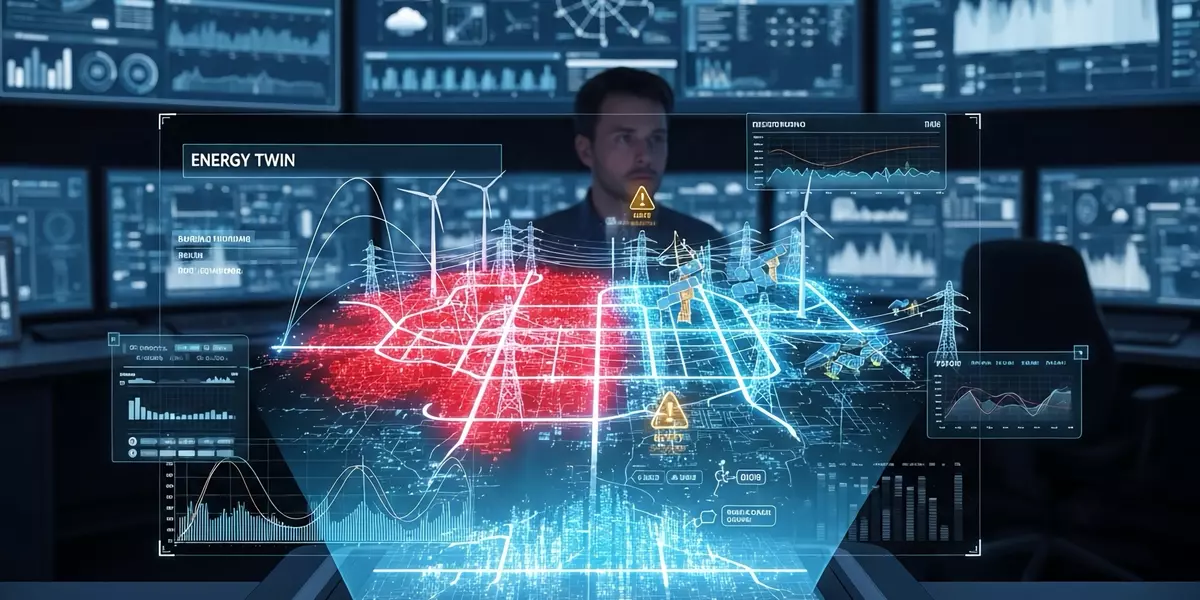
The Smart Energy and Hydrogen Systems Laboratory investigates, models and optimises sustainable energy and hydrogen systems for practical applications. A key focus is on the creation and further development of digital twins that are validated against real operating data. This enables energy systems to be evaluated technically and economically, further developed and optimised for specific industrial applications.
The laboratory works closely with partners from industry, local authorities and regional networks. The projects range from the analysis of existing hydrogen plants and the techno-economic design of new electrolysis and storage systems to the development of site-specific operating concepts. In addition to its fundamental research, the laboratory is actively involved in knowledge transfer and supports companies in getting started with hydrogen technology through dedicated training courses and network meetings.
Techno-economic modelling & digital twins
- Development and validation of digital twins for sustainable energy and hydrogen systems
- Applying real measurement data from existing plants to improve model quality
- Dynamic simulation of technical and economic operating strategies
- Use of the OTH design and optimisation tool NEW-Tool with the individual modules Rapid-Check | DT | DT + Optimisation
Planning, designing and evaluating real hydrogen plants
The laboratory supports companies and local authorities in:
- Analysing existing electrolysis, storage and gas treatment systems
- Location and load profile analyses (electrical, thermal, hydrogen, oxygen)
- Dimensioning of new electrolysis (alkali/PEM)
- Developing concepts for waste heat utilisation
- Economic analyses (LCOH, ROI, NPV, scenario considerations)
- Risk and sensitivity analyses
Validation and optimisation based on real operating data
Through cooperation projects with industry partners, the laboratory has access to extensive measurement data such as:
- Power generation from PV and wind
- Hydrogen production rates
- Pressure, temperature and flow rate in gas networks
- Operating data from hydrogen storage facilities and peripherals
This data enables:
- Validation of models
- Optimisation of existing plants
- Further development of control and regulation strategies
- Derivation of best practice examples
Knowledge transfer, networks & further training
A key focus of our activities is the systematic transfer of knowledge to small, medium-sized and large companies, municipal actors and energy agencies.
This includes among others:
- Training modules with certificates of attendance
- Events on research innovations in hydrogen technologies
- Practical examples from real projects
- Workshops and consultation hours for SMEs and large industry
- Networking and transfer platforms (e.g. HYDROMUN and WiTra-H2)
Teaching in the laboratory
Running PhD- Theses:
- Weindler, J.: Techno-economical resilience of hydrogen electrolysis systems using waste heat via dynamic modelling of real plants
Completed theses as well as research and development activities since 2024:
a) Supervised by Prof. B. Dawoud
- Bachelor's thesis Lemberg (2024): Modelling and simulation of an energy supply system for a single-family house based on green hydrogen
- Bachelor's thesis Lehner (2024): Technical modelling and energy assessment of a domestic energy supply system based on green hydrogen, integrating a validated fuel cell model
- Research & development work Lehner (2025): Modelling and simulation of a solid oxide fuel cell-based combined heat and power plant
- Research & development work Böker (2025): Creation of technical models of typical and high-temperature small and medium-scale heat pumps for heating applications in Modelica
- Research & Development Work Strohmeier (2025): Simulation of alkaline electrolysis
- Research & development work Wernthaler (2025): Adapting a running natural gas condensing-boiler dynamic model in Modelica and Investigating natural gas mixing with hydrogen at different fractions for application in a household heating system.
- Research & development work Lehner (2026): Modelling and simulation of a high-temperature heat pump for industrial applications
b) Supervised by Prof. J. Eckstein
- Research and development work Stöhr (2024): Identification of significant parameters influencing the economic efficiency of a hybrid home storage system under ideal forecast conditions
- Bachelor's thesis Schmid (2024): Modelling and simulation of battery electric vehicles as flexible consumers in households with a high degree of self-sufficiency
- Bachelor's thesis Lottner (2025): Techno-economic modelling and optimisation of a hybrid hydrogen-based energy supply system in dynamic operation
- Master's thesis Stöhr (2025): Cost-optimised dimensioning of a hybrid energy system using hydrogen for a public administration building
- Research & Development Work Lottner (2025): Upscaling and expansion of an existing techno-economic modelling and optimisation tool for hybrid hydrogen-based energy systems for commercial building use
Research in the laboratory
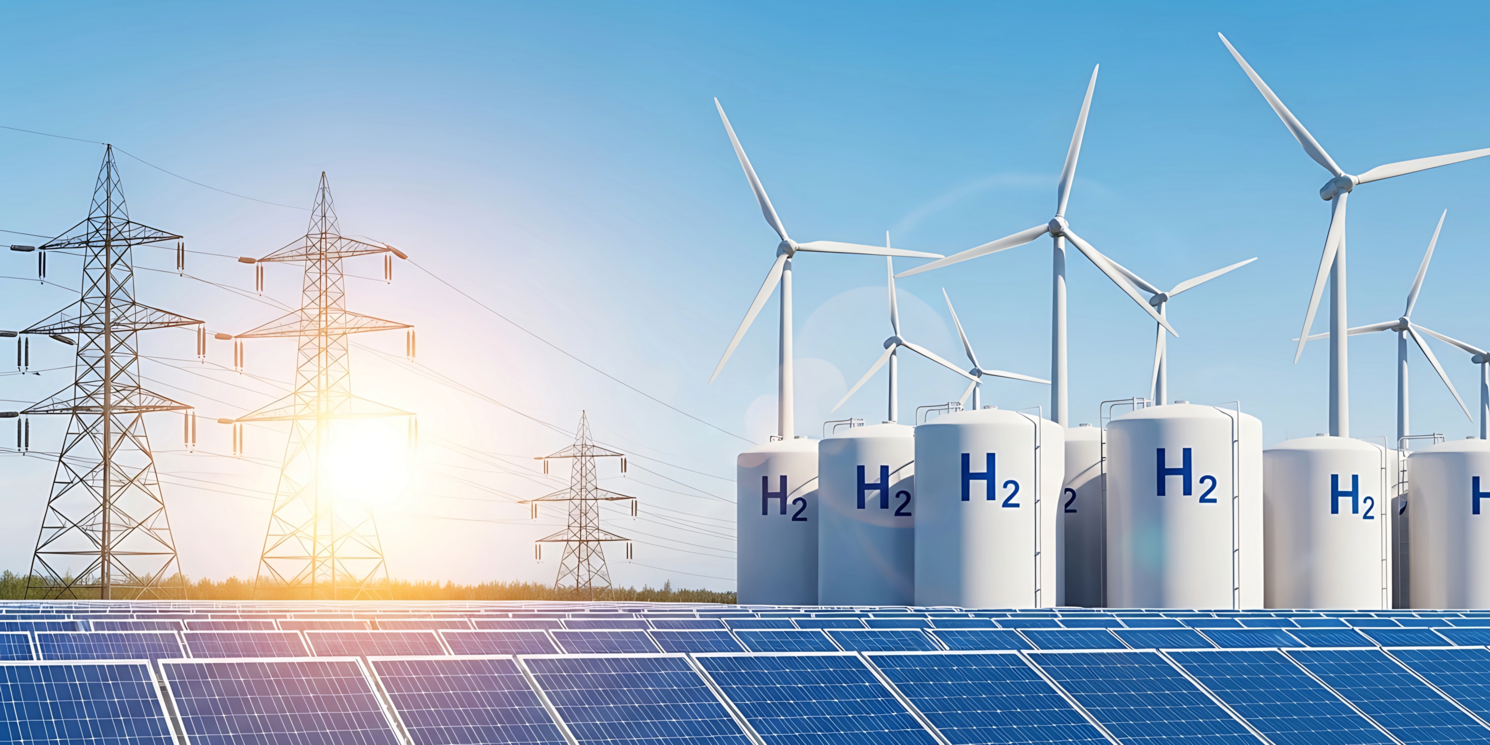
Research at the Smart Energy and Hydrogen Systems Laboratory focuses on the scientific, technical and economic advancements of sustainable energy and hydrogen systems. A particular focus is placed on linking real-world plants with digital twins and on practical collaboration with industry and local authorities. Research activities are divided into several key areas and projects:
Techno-economical design and optimisation of energy and hydrogen systems
In various industrial collaborations, the laboratory develops digital twins for electrolysers, storage and gas infrastructures. The models are validated using real operating data from running plants in order to:
- determine optimal system sizes,
- develop site-specific operating concepts,
- identify waste heat recovery potentials, and
- evaluate the economic efficiency of various operating strategies.
This research forms the basis of the NEW tool with its three individual modules; Rapid Check | DT | DT + Optimisation.
Knowledge transfer platform WiTra-H2
With WiTra-H2, the laboratory is establishing a Bavaria-wide platform for knowledge transfer in the field of sustainable energy and hydrogen systems.
The main areas of research are:
- Identification of technological and economic challenges in companies
- Development of practical energy concepts
- Validation of concepts through simulation and optimisation
- Establishment of a Bavarian network of at least 30 companies from the industry
- Generation of best practice examples
- Certified continuing education formats
The project thus combines scientific research with concrete implementation impulses for companies and municipalities.
Cross-border BY-CZ network HYDROMUN for hydrogen technologies
Together with regional and international partners, the laboratory is investigating the transferability and scalability of hydrogen technologies in the Bavarian-Czech target region.
The research includes:
- Analysis and processing of real operating data from pilot plants
- Creation of technical and economic best practice examples
- Establishment of a regional technology and knowledge transfer network
The aim is to enhance the competence of small and medium-sized enterprises in dealing with hydrogen systems.
Cooperation project with Ostermeier H2ydrogen Solutions (OHS)
In collaboration with OHS, the laboratory utilises extensive plant and operating data from existing on-site hydrogen production facilities to further develop digital twins.
Research content:
- Validation of OTH models using dynamic real operating data
- Optimisation of existing hybrid hydrogen battery storage systems
- Support in planning future plants
- Data evaluation via a central monitoring system
The collaboration strengthens the practical applicability of the developed models and enables targeted innovation impulses for industry.
Cooperation project with the city's gas and electricity utility company of Haßfurt
In collaboration with the gas and electricity’s utility company of the city Haßfurt, Germany real operating data from an existing electrolysis plant is being used to:
- further develop the OTH design tool,
- provide scientific support for the expansion of the plant (including a second electrolysis unit),
- analyse the integration of waste heat into local district heating networks,
- and develop concepts for increased H₂ feed-in to the natural gas grid.
The data basis includes electricity generation from wind and PV, pressure, temperature and flow rate data in various networks. The research contributes to the efficient and sustainable expansion of municipal H₂ infrastructures.
Target of the Scientific R&D activities
The laboratory's research and development strategy follows three guidelines:
- Practical orientation – all models and concepts are validated using real systems’ data.
- Holistic approach – technical, economic and regulatory aspects are always considered together.
- Transfer – scientific findings are passed on to the interested companies, local authorities and society.